
Halo Tuition Academy | Education Insights
England is planning new Vocational GCSEs to sit alongside traditional GCSEs. The first subjects are not expected before September 2029, so this is a future reform, not an immediate change for pupils already working towards their GCSEs.
The 60-second answer
The Department for Education has announced plans for new Vocational GCSEs in England. These qualifications are intended to sit alongside traditional GCSEs, while English, maths and science remain a common entitlement for pupils.
The first Vocational GCSEs could be available in some subjects from September 2029. The final subject list, school availability and rollout details have not yet been confirmed, so families do not need to make any decisions today. The key message is that future pupils may have more nationally recognised ways to combine academic learning with practical, career-related study.
What has the government announced?
The Department for Education says the new qualifications will have nationally set content, grading and assessment, with regulation by Ofqual. They are intended to be the same size as GCSEs and to replace the current Technical Awards over time.
The government has said that Vocational GCSEs will sit alongside traditional GCSEs, rather than remove academic study. English, maths and science will remain part of the core curriculum.
The aim is to give pupils more meaningful options at Key Stage 4, particularly where they are interested in learning that connects classroom knowledge with sectors and skills.
When will Vocational GCSEs begin?
The earliest proposed start date is September 2029, and only in some subjects.
That means this is not an immediate change for pupils taking GCSEs in the next few years. The exact impact on future year groups will depend on the final timetable, the subjects approved and the courses individual schools choose to offer.
A consultation is expected later this year, so parents should treat the current announcement as the start of a reform process, not a final school options list.
Which subjects could be available?
The Department for Education has suggested that possible Vocational GCSE subjects could include:
- Business Management and Finance
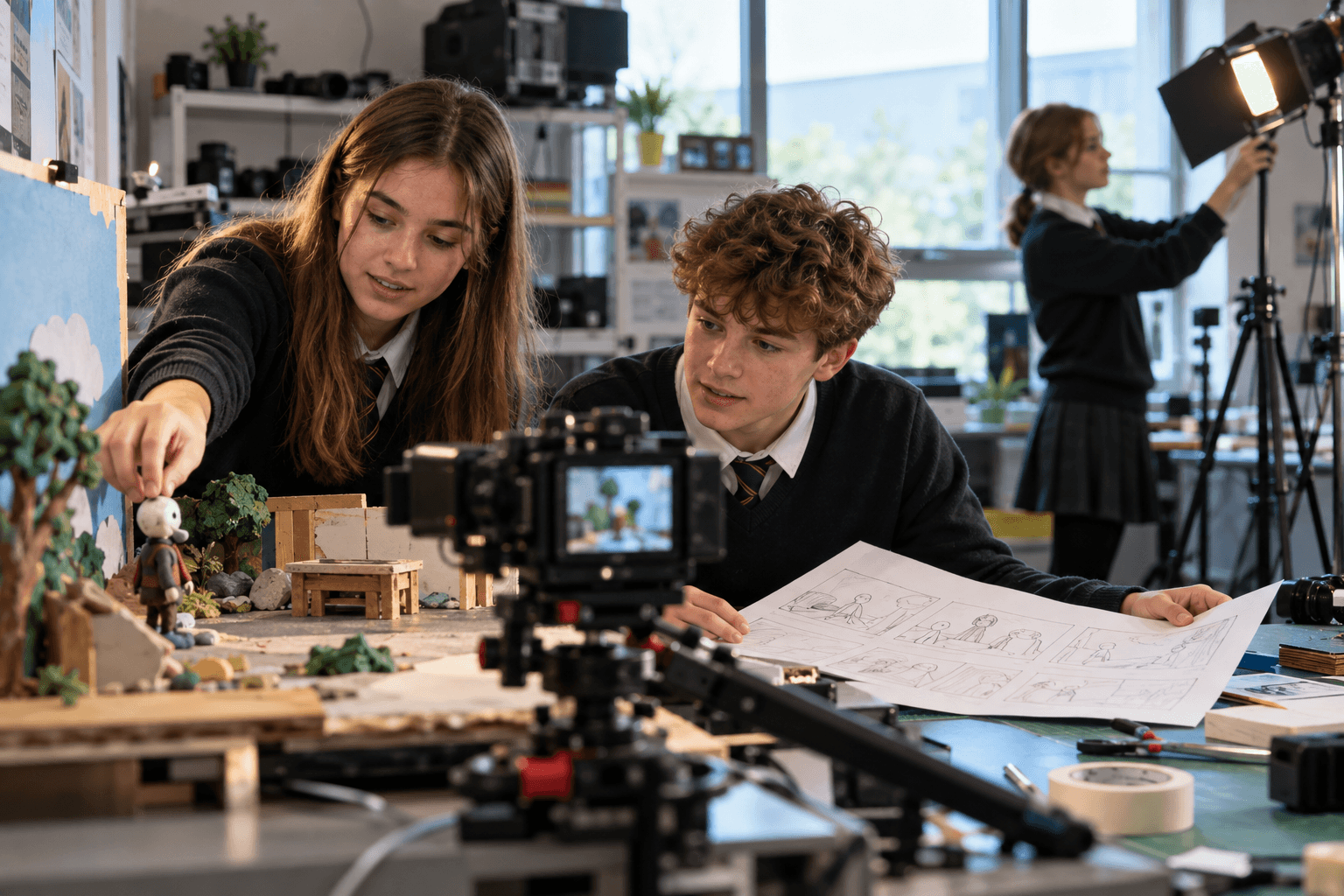
- Creative Media Production
- Digital Technology
- Child Development
- Building and Construction
These are examples, not a confirmed final list. New subjects will be developed through a review of existing GCSEs and the new qualification model, with input from subject experts, employers, schools and local leaders.
For families, the important point is that vocational learning is being positioned as a credible choice alongside academic GCSE subjects, rather than as a separate or lower-status route.
How will Vocational GCSEs fit alongside traditional GCSEs?
A student’s broader GCSE programme is not being replaced.
The government has said that the new qualifications will sit alongside a strong academic core, including English, maths and science. This matters because strong literacy, numeracy and subject knowledge remain essential across further study, apprenticeships and employment.
In practical terms, a future student might take traditional GCSEs alongside a Vocational GCSE that better reflects their interests in an area such as digital technology, construction or creative media. However, the exact combinations available will depend on each school’s curriculum offer.
Vocational GCSEs, Technical Awards and V Levels: what is the difference?
It is easy to confuse the terms, especially as several qualification reforms are happening at once.
Vocational GCSEs
These are planned school qualifications for the GCSE stage. They are expected to begin in some subjects from September 2029 and are intended to replace current Technical Awards.
Technical Awards
These are existing vocational qualifications taken by some pupils at Key Stage 4. The Department for Education says they will eventually be replaced by Vocational GCSEs.
V Levels
V Levels are separate, post-16 Level 3 qualifications. The first are due to be taught from September 2027 in selected areas. They are not the same as Vocational GCSEs and are not a replacement for GCSEs.
What this does not mean for parents
The announcement does not mean that every school will offer every new subject from 2029.
It does not mean that pupils will stop studying English, maths or science.
It also does not mean that a vocational route closes off A Levels, university or apprenticeships. The government’s stated aim is to create clearer progression routes, but the detailed transition arrangements and future entry requirements will need to be confirmed as the reforms develop.
For now, families should avoid making subject choices based on headlines alone.
How can parents support their child now?
The best preparation is not to rush towards a future qualification. It is to help your child build a strong foundation and understand their interests.
Talk about the subjects they enjoy, the type of learning they respond to and the careers they are curious about. Encourage them to develop the core skills that will support every route: reading, writing, maths, problem-solving, confidence and independent study habits.
When GCSE options evenings arrive, use your child’s school as the first source of information. Ask which qualifications are currently available, what each course involves and where it could lead after Year 11.
Halo’s perspective
A strong education pathway should give young people options, not narrow them too early.
Vocational GCSEs could offer future pupils another respected way to demonstrate practical knowledge and subject-specific strengths. But the same principle will remain important: the right route is the one that matches a student’s interests, abilities and longer-term goals.
At Halo Tuition Academy, we help students strengthen the subject knowledge, confidence and study skills that support informed choices at GCSE and beyond.
Looking for personalised GCSE support or guidance around your child’s next academic steps? Speak to the Halo Tuition Academy team.
Frequently Asked Questions
Are Vocational GCSEs replacing normal GCSEs?
No. The government says they will sit alongside traditional GCSEs. English, maths and science will remain a common entitlement.
When will Vocational GCSEs start?
Some subjects could be available from September 2029. The final rollout plan has not yet been confirmed.
Will every school offer Vocational GCSEs?
Not necessarily. The subjects and courses available will depend on the final reform plans and each school’s curriculum offer.
Are Vocational GCSEs the same as V Levels?
No. Vocational GCSEs are planned for the GCSE stage, while V Levels are separate post-16 Level 3 qualifications.
Should parents change their child’s GCSE choices now?
No. This reform is not immediate. Families should make current options decisions using their school’s present course information and their child’s interests and strengths.
Will a Vocational GCSE lead to further study?
The government intends the qualifications to support progression to routes including A Levels, T Levels, V Levels, apprenticeships and further study. Specific entry requirements will depend on future course providers and institutions.
Sources
- Department for Education, New Vocational GCSEs unveiled in major shake-up to hands-on learning for teens https://www.gov.uk/government/news/new-vocational-gcses-unveiled-in-major-shake-up-to-hands-on-learning-for-teens
- Ofqual, Qualification reform hub https://www.gov.uk/guidance/qualification-reform-hub
- Sky News, Teenagers in England to be offered new vocational GCSEs https://news.sky.com/story/teenagers-in-england-to-be-offered-new-vocational-gcses-13591233
Editorial note: This article reflects information published by the Department for Education and Ofqual as of September 2026. Details such as subject availability, rollout and school-level delivery may change as the reform develops.